Ever feel like you’re working hard but not really getting anything done? It might not be your skills, it might be your timing.
When you work remotely, especially across time zones, knowing when you work best can be a game-changer. Not just for your output, but for how your teammates and clients experience working with you.
So, when are you actually at your best?
Morning? Afternoon? Right after lunch? The truth is, not everyone is wired the same. Some people fire on all cylinders at 7:00 AM. Others don’t hit their stride until mid-afternoon. Start paying attention to when your brain feels clear, creative, and focused, and when it doesn’t.
Try this: for the next few days, rate your focus every couple of hours. Use a 1–5 scale. Keep it simple. After a few days, patterns will start to show. That’s your productivity map.
Now line it up with your client’s time zone.
Let’s say you’re in Peru and your client is in New York. You’ve got a great 2–3 hour overlap every day. Once you know your personal peak hours, start aligning them with that overlap.
Use your best energy for collaborative work: calls, updates, Slack messages. Use your lower-energy hours for solo tasks, admin, or creative deep work.
Set the tone with a solid routine.
Here’s an example from someone we know in Argentina working with an EST team:
- 8:00–10:00 AM: heads-down deep work (no meetings, no Slack)
- 10:00 AM–2:00 PM: meetings, updates, client calls
- 2:00–3:30 PM: wrap-up, plan next day, async follow-ups
It’s not rigid, it’s intentional. And it works.
Bonus: Let your calendar speak for you.
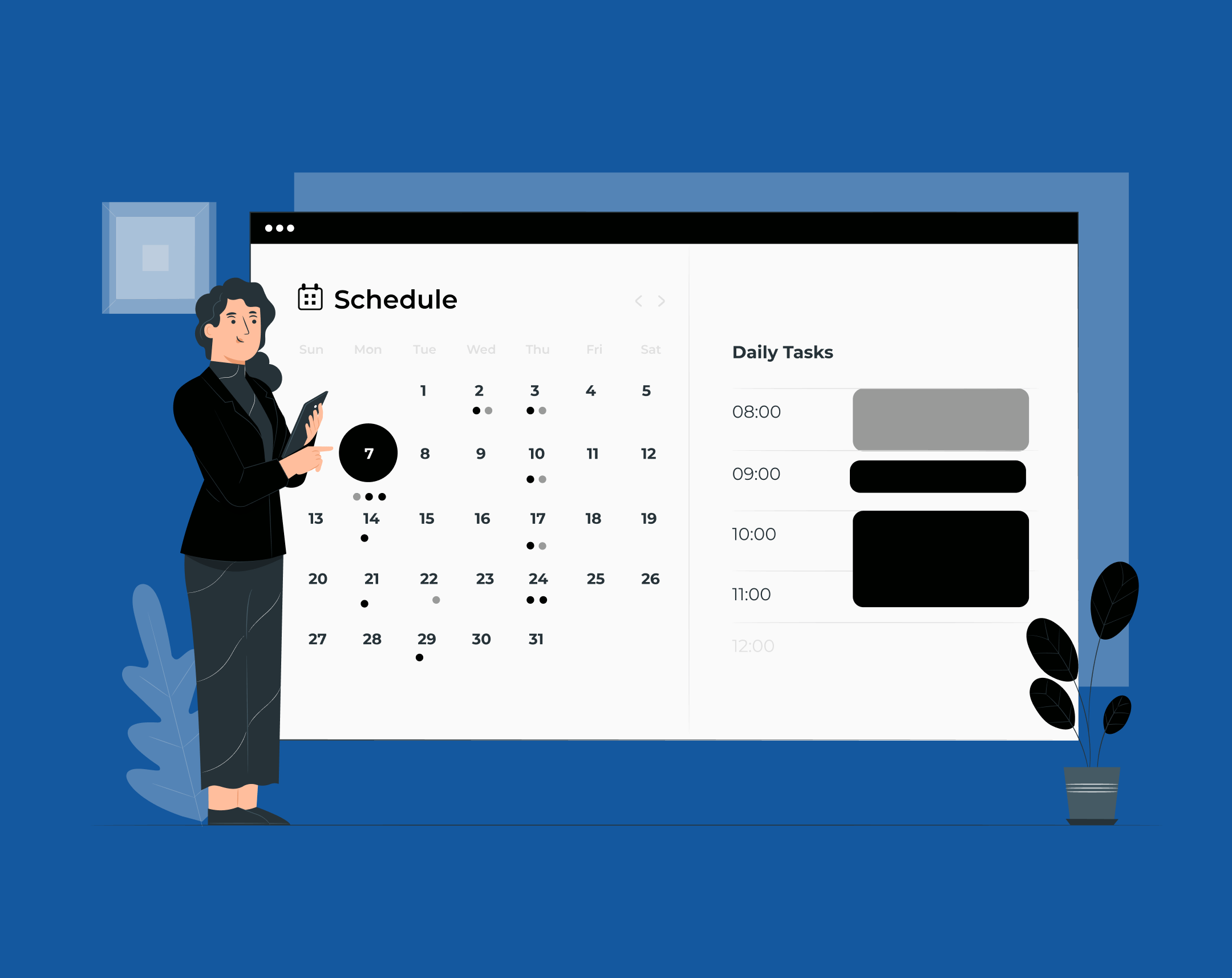
Use calendar blocks to show availability. Tools like Google Calendar, Calendly, or even a pinned Slack message help your team know when you’re “on” and when you’re in focus mode. Clarity = fewer interruptions and more trust.
🕒 One last thought:
Managing your time well isn’t just about being efficient. It’s about being reliable. The more you understand your rhythm, and communicate it, the more trust you’ll build with global teams.
Want to stand out? Master your hours. Then show up at your best, when it matters most.

No responses yet