
Speaking English is a starting point. It’s not the full picture anymore.
In 2026, international companies are hiring Latin American professionals not just for language ability, but for how they think, collaborate, and adapt. These qualities are harder to teach and more valuable over time.
If you want to grow in remote work, it’s time to focus on the soft skills that make teams trust you, even if they’ve never met you in person.
What global employers look for now
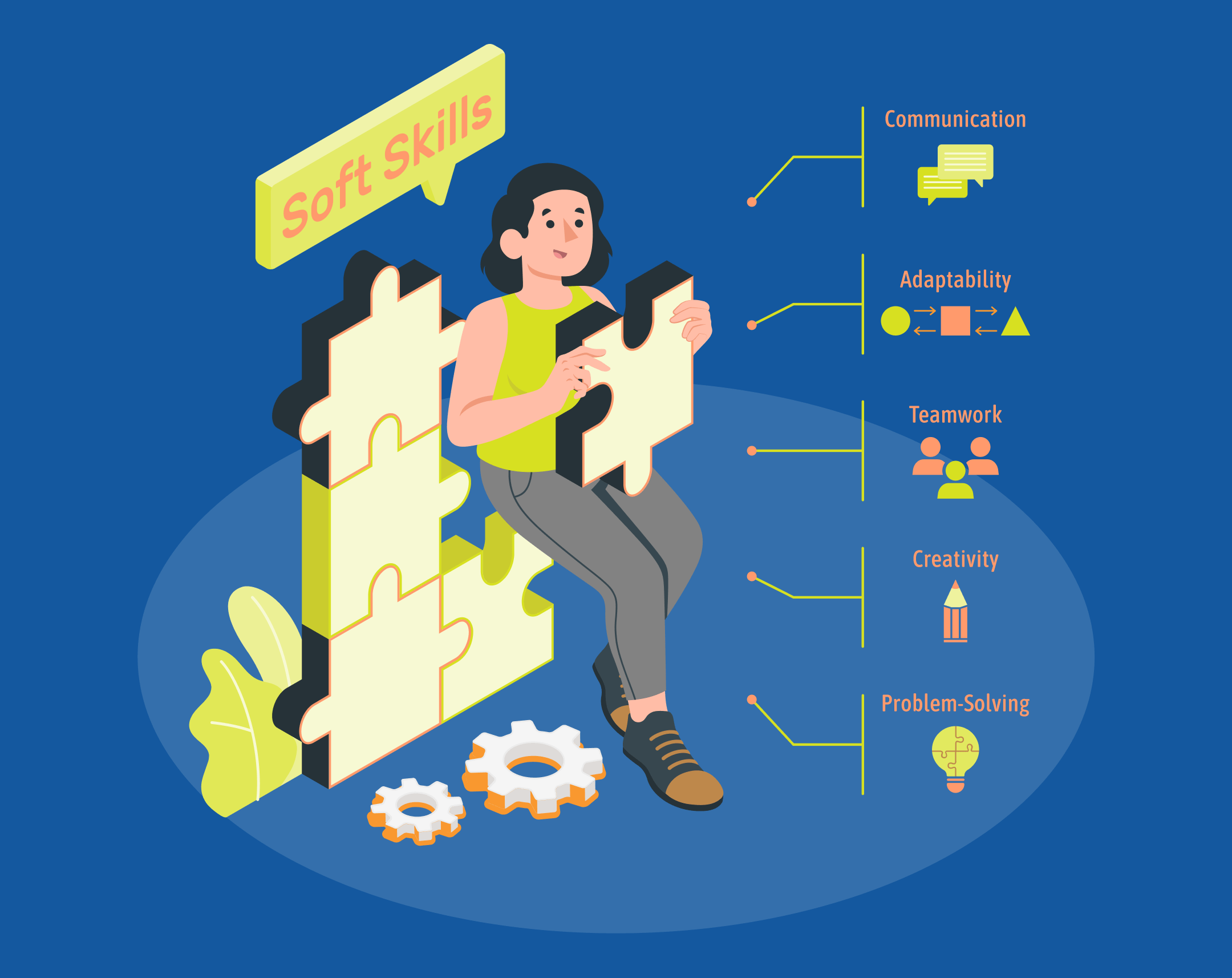
When hiring remotely, companies pay attention to how you communicate, how you handle uncertainty, and how well you work across cultures and time zones. Some of the most in-demand soft skills right now include:
- Clear, thoughtful written communication
- Emotional intelligence and patience
- Time management without constant supervision
- Flexibility across tools, teams, and workflows
- Curiosity and willingness to learn
You don’t need to be perfect. You just need to be self-aware and willing to improve.
How to develop soft skills on your own
You don’t need a course to grow these skills. You can start with your next message or meeting.
- Before replying to a message, pause and ask, “Is this clear and kind?”
- In group chats, practice reading tone and checking in with teammates
- When a project changes, respond with curiosity instead of frustration
- Ask for feedback on your communication or workflow
These habits build soft skills over time, and employers notice them.
In remote work, how you work matters as much as what you know
Being fluent in English opens the door. But soft skills are what get you invited to stay. They show that you’re ready for real collaboration, not just task execution.
In 2026, the best global professionals are the ones who can combine skill with empathy, clarity, and adaptability.

No responses yet